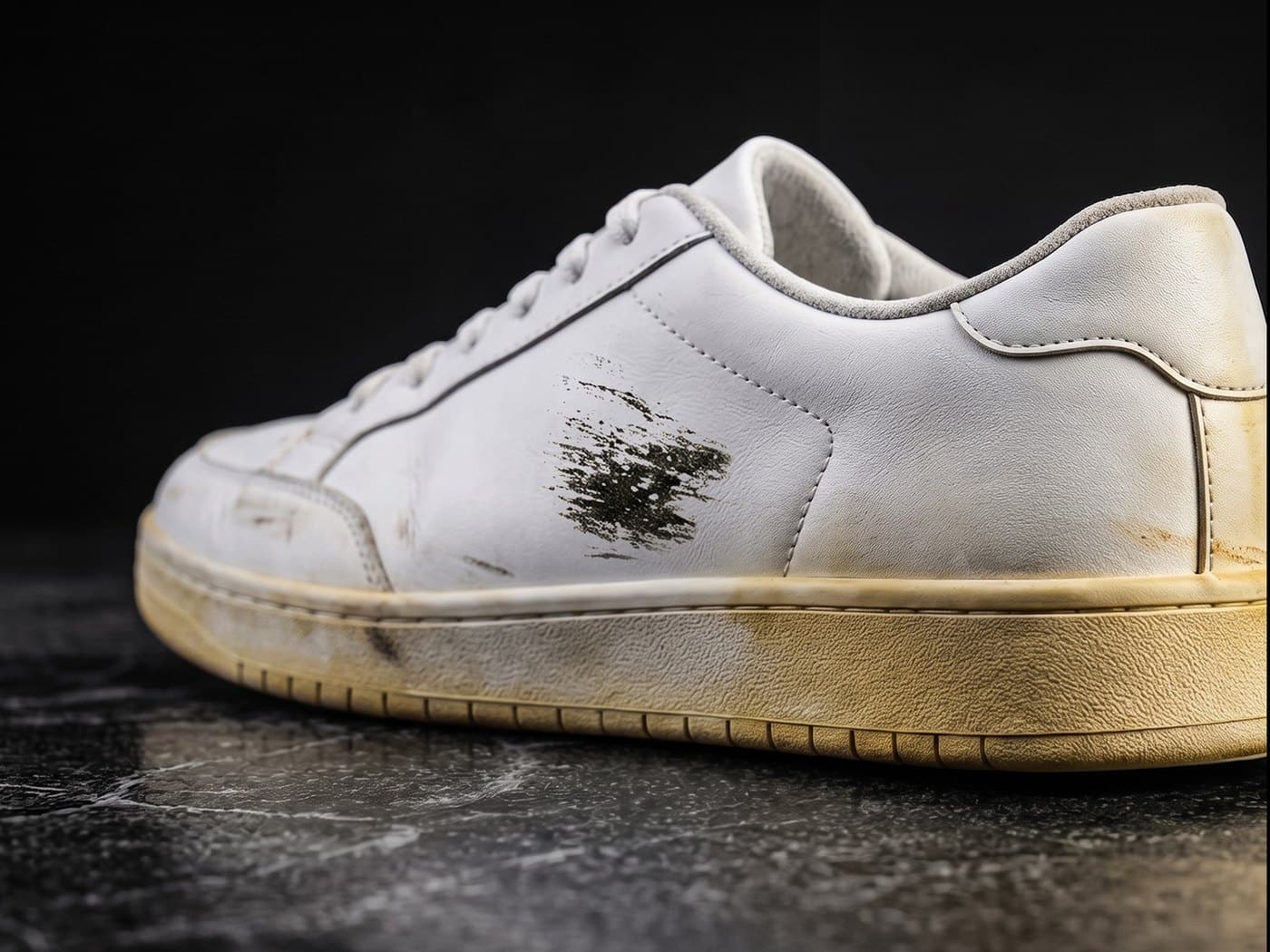
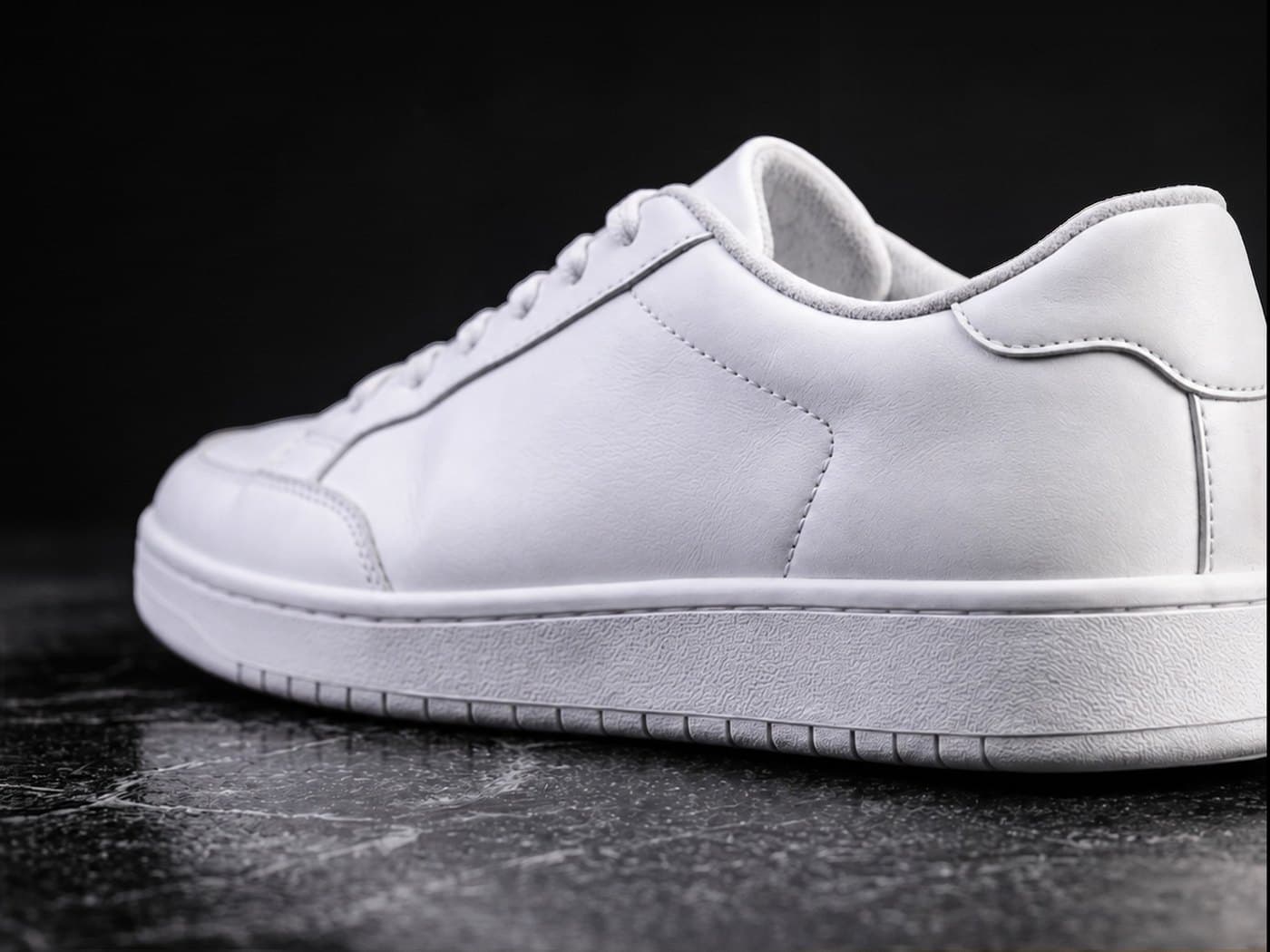
The right product for the right leather
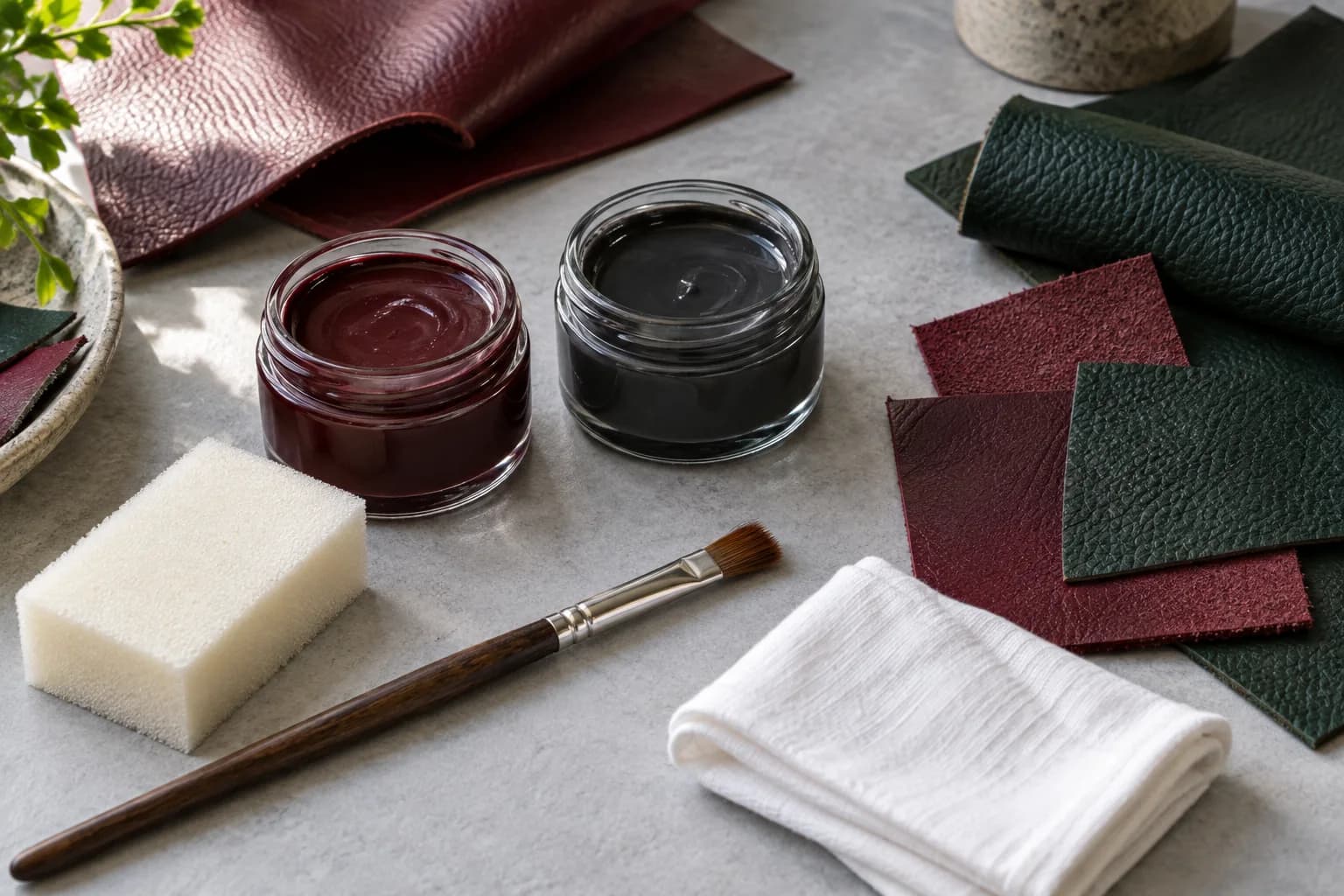
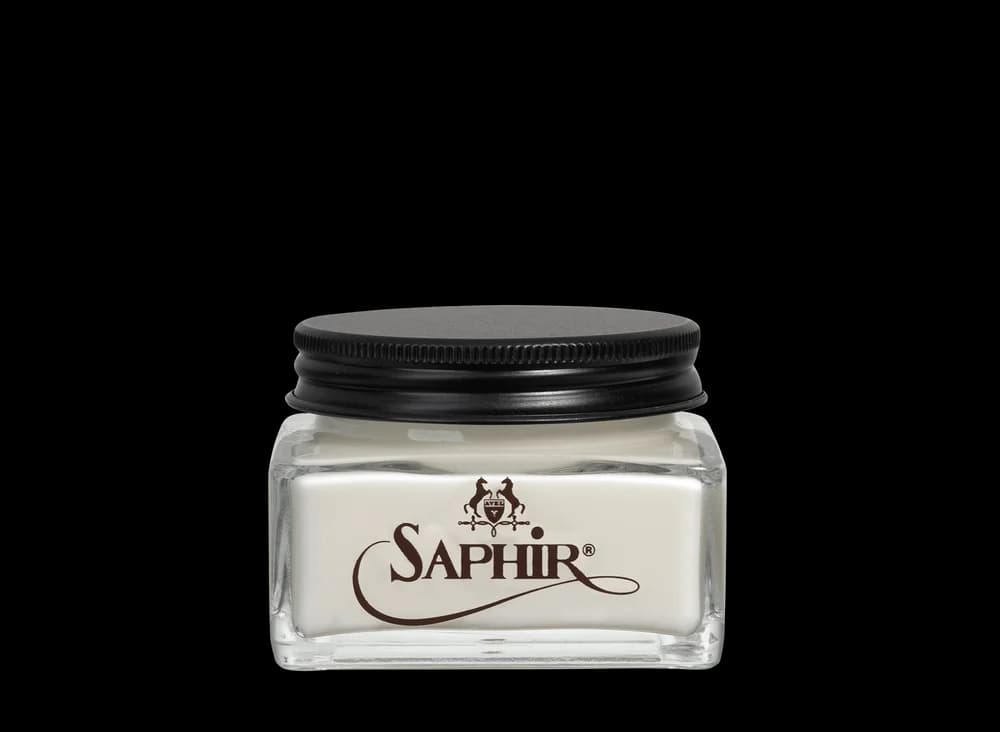
Explore conditioners and colour-restoration supplies, with compatibility and limitations explained.
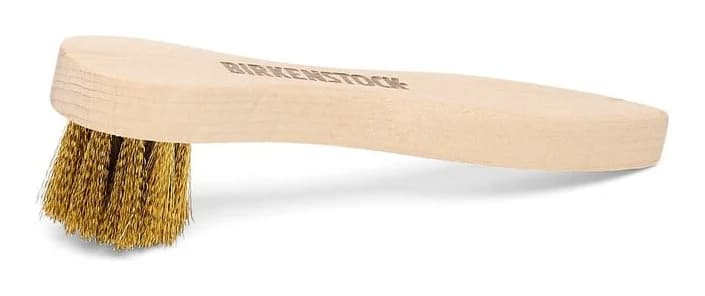
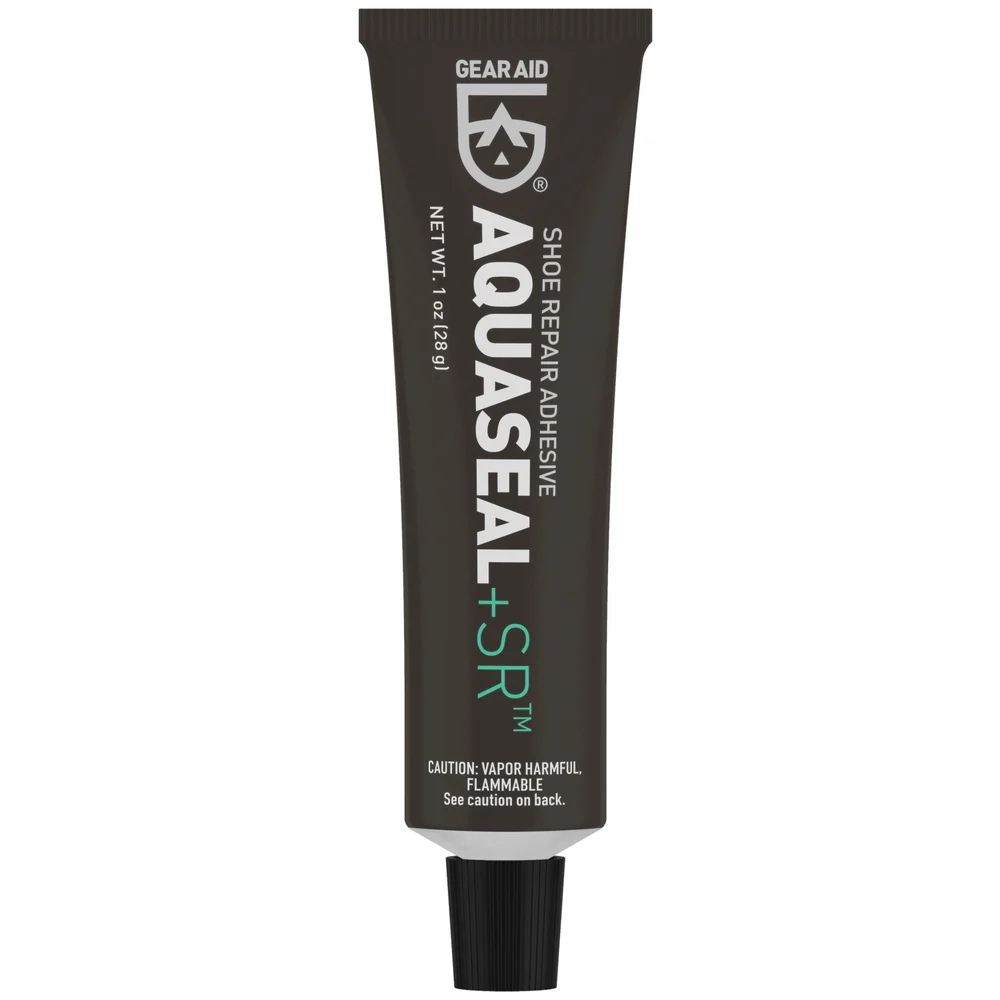
Find your leather before you buy anything
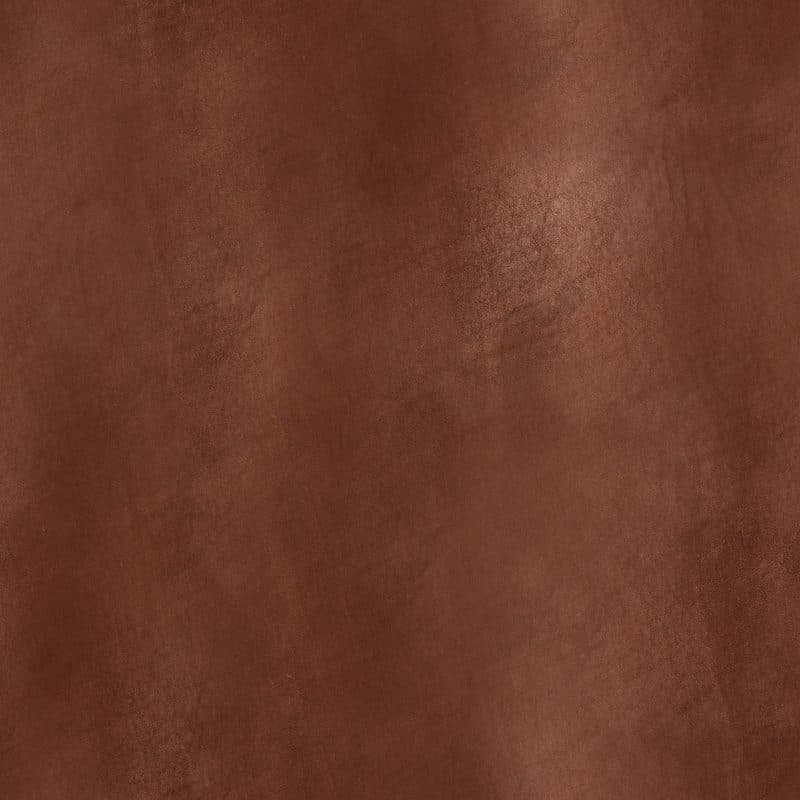
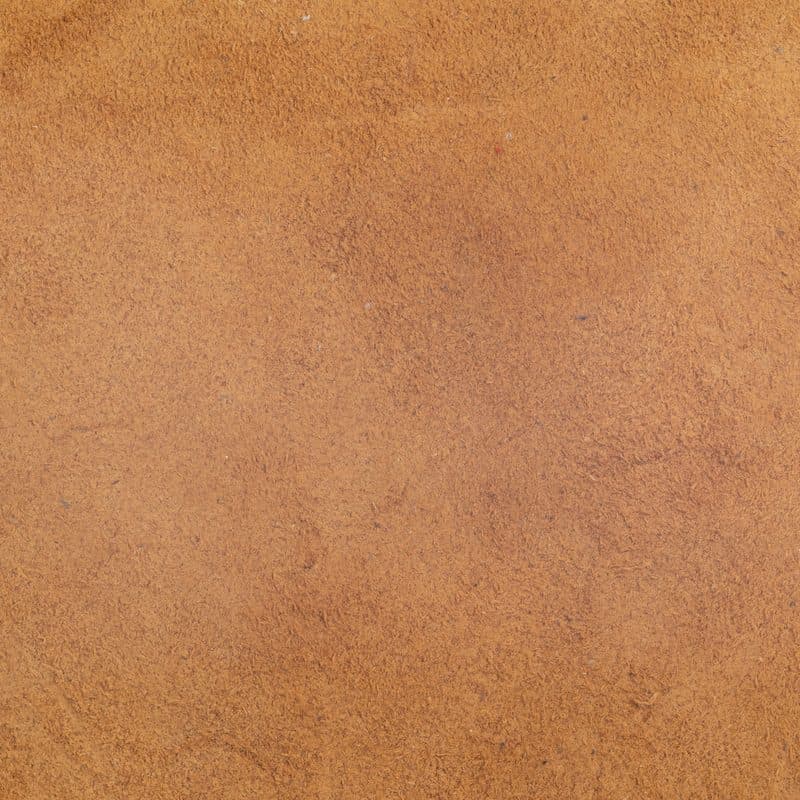
Start with the care label, the surface and the manufacturer's advice. Water can mark absorbent leather, so a drop test is not a safe first step for every item.
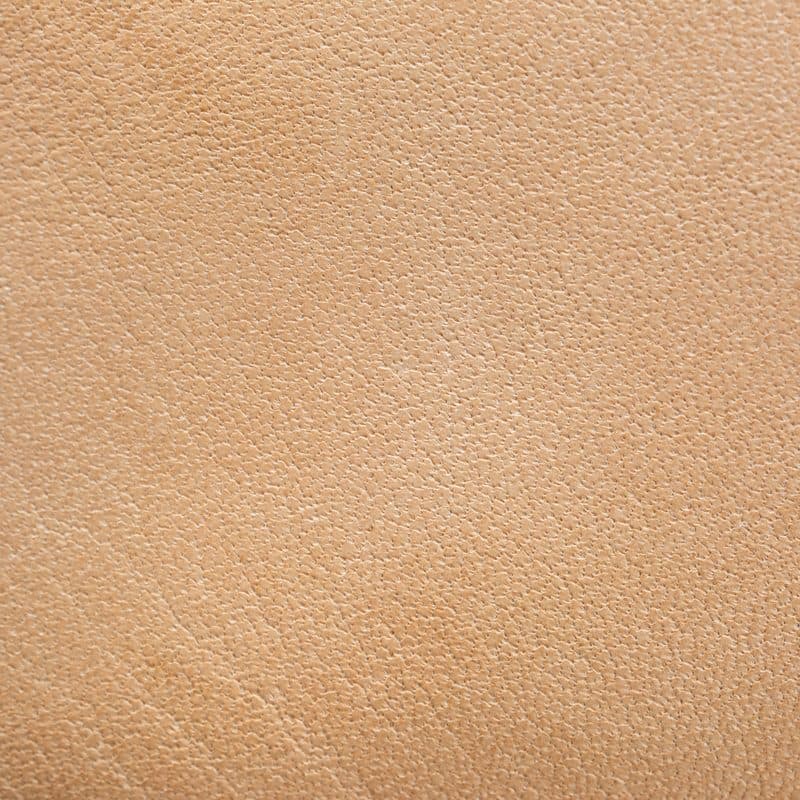
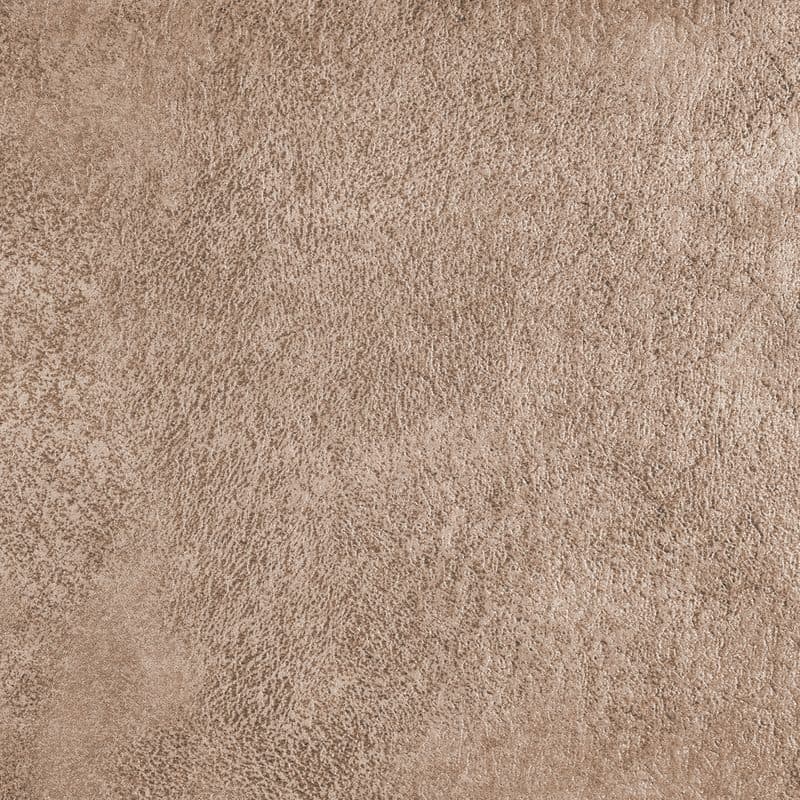
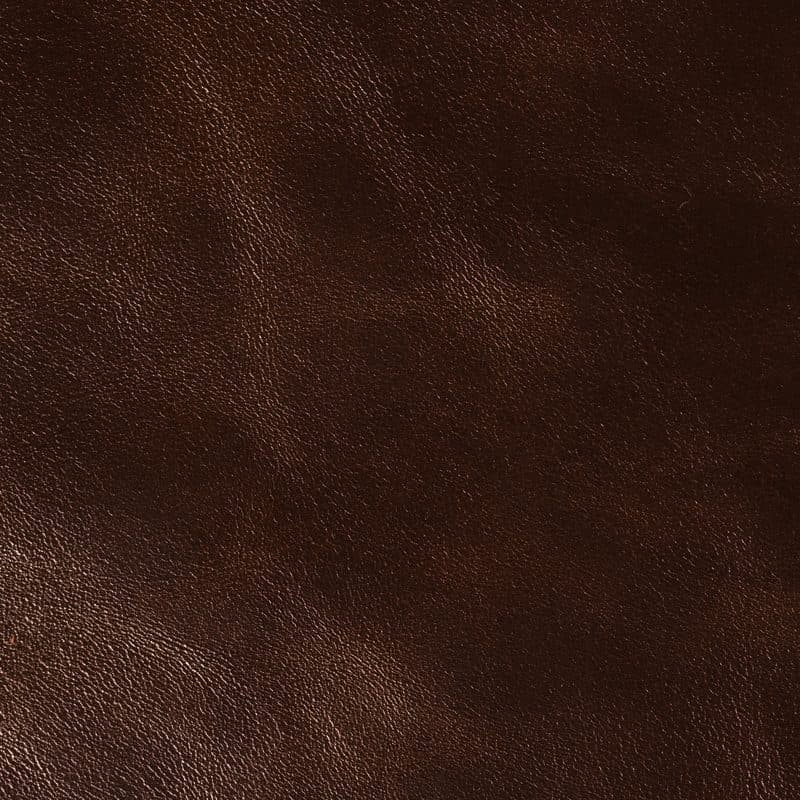
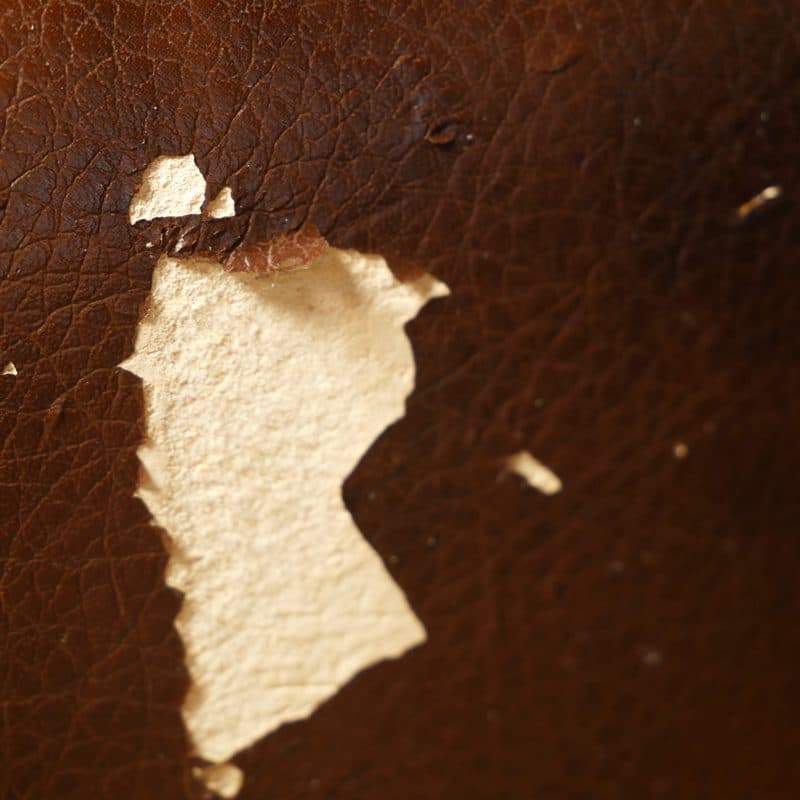
Care advice with its limits explained
We distinguish visible repair results from general guidance and manufacturer information. What has not been recorded is never presented as a tested fact.
Start with the material
The finish matters as much as the item. Check the care label and choose advice that fits your leather.
Keep the evidence clear
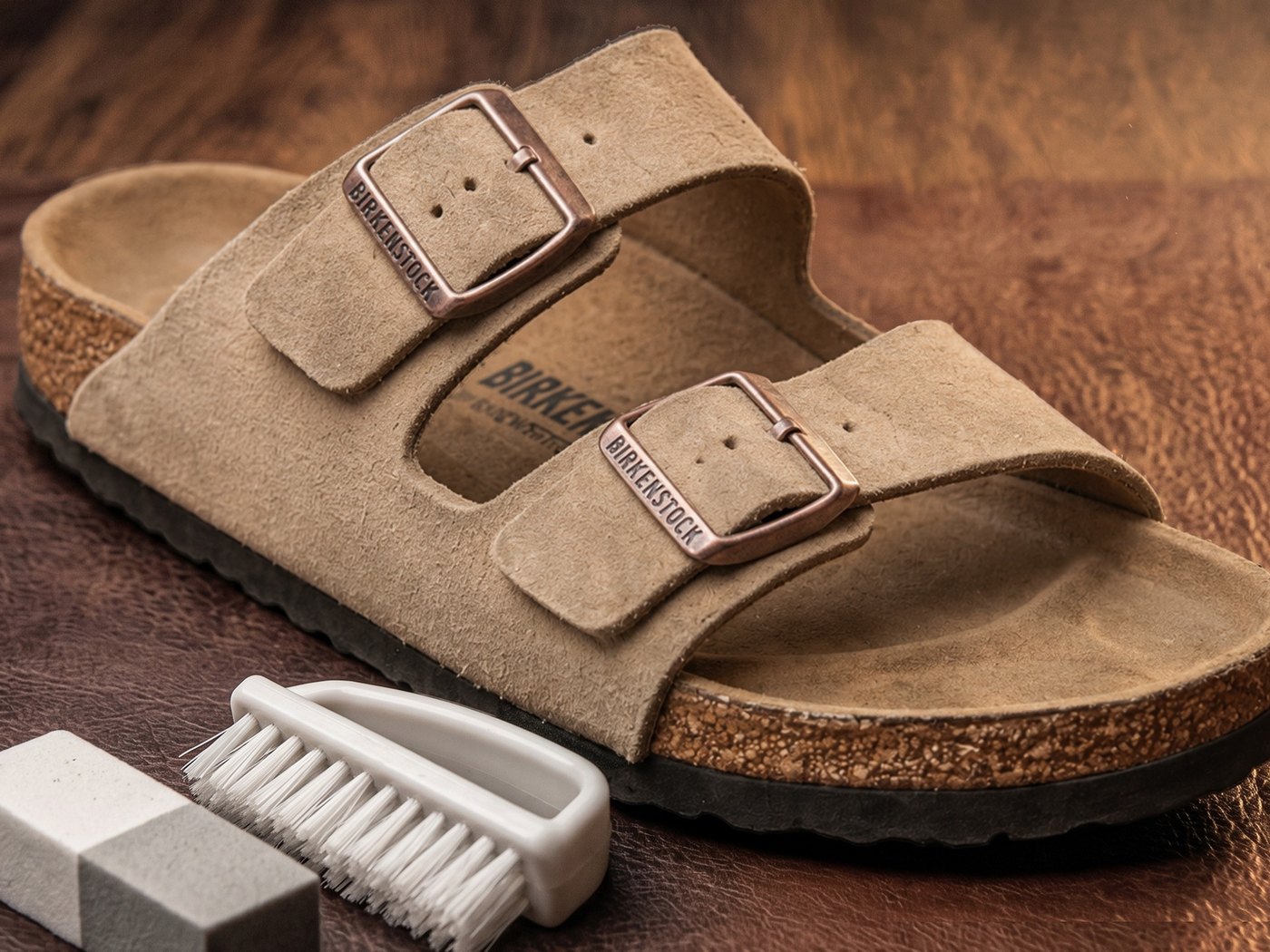
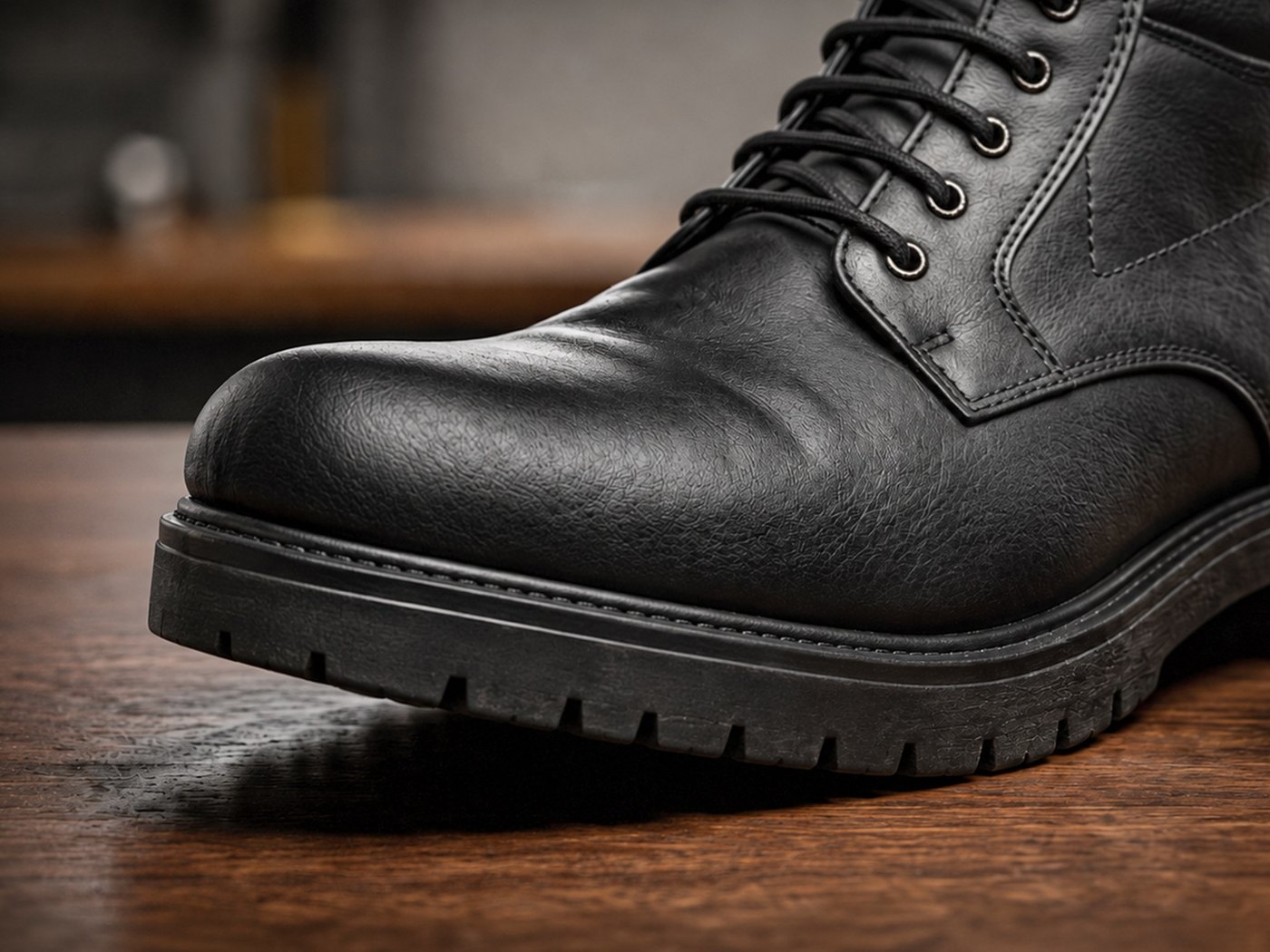
Repair photographs show visible changes. We do not infer products, costs or long-term durability that were not recorded.
Know when to stop
Patch-test compatible products first, and get specialist advice for fragile finishes, structural damage or valuable items.
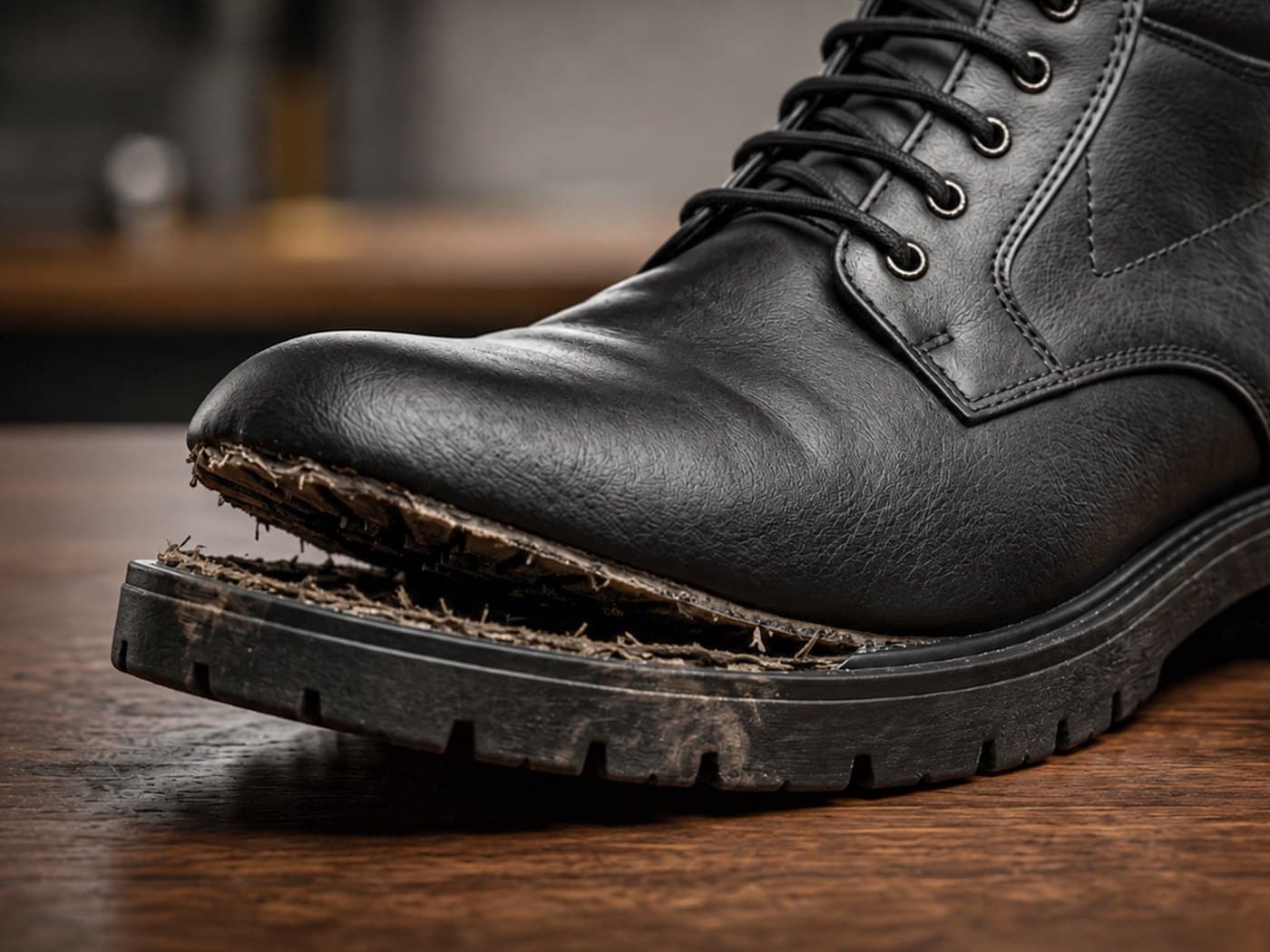
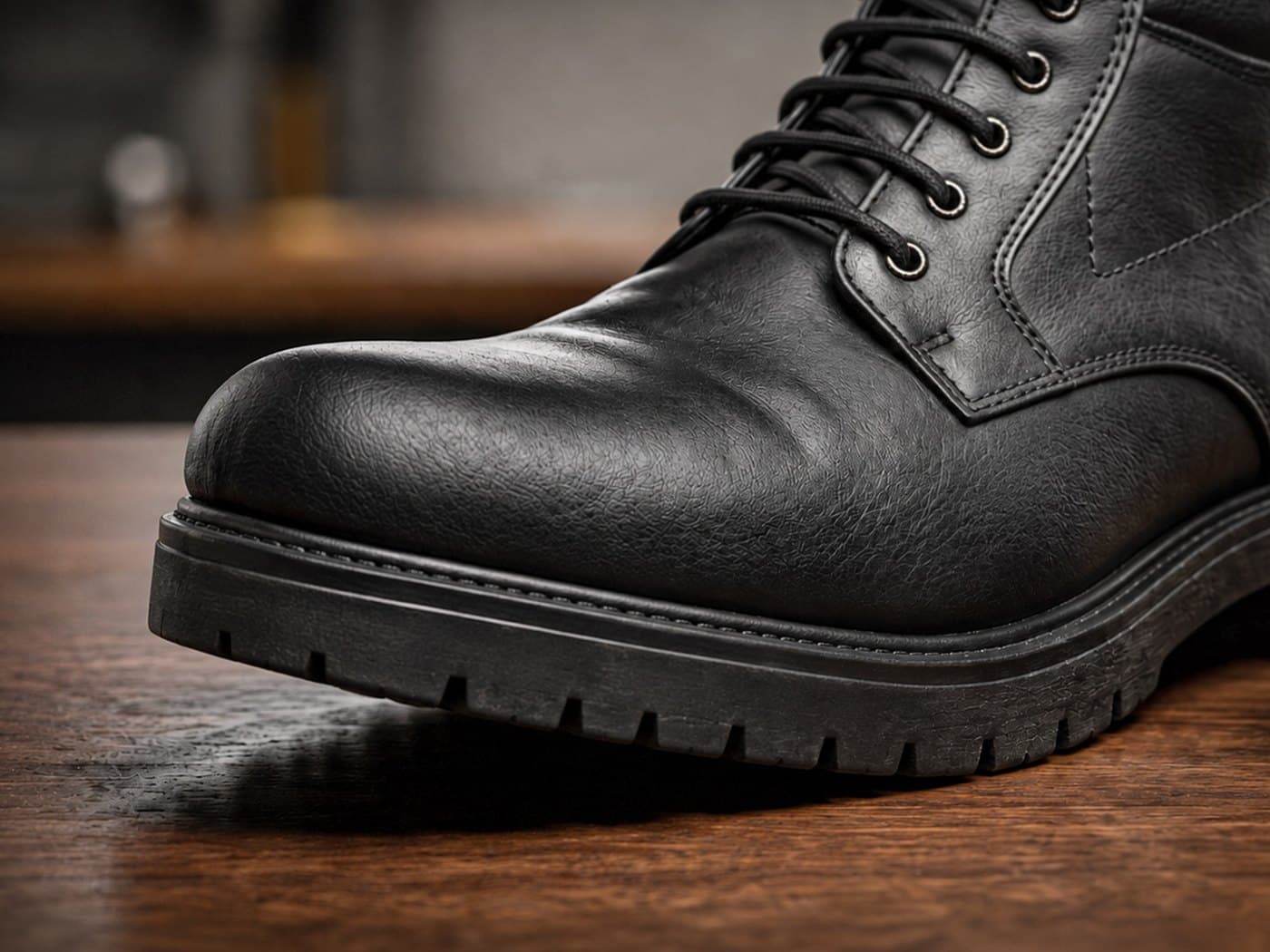
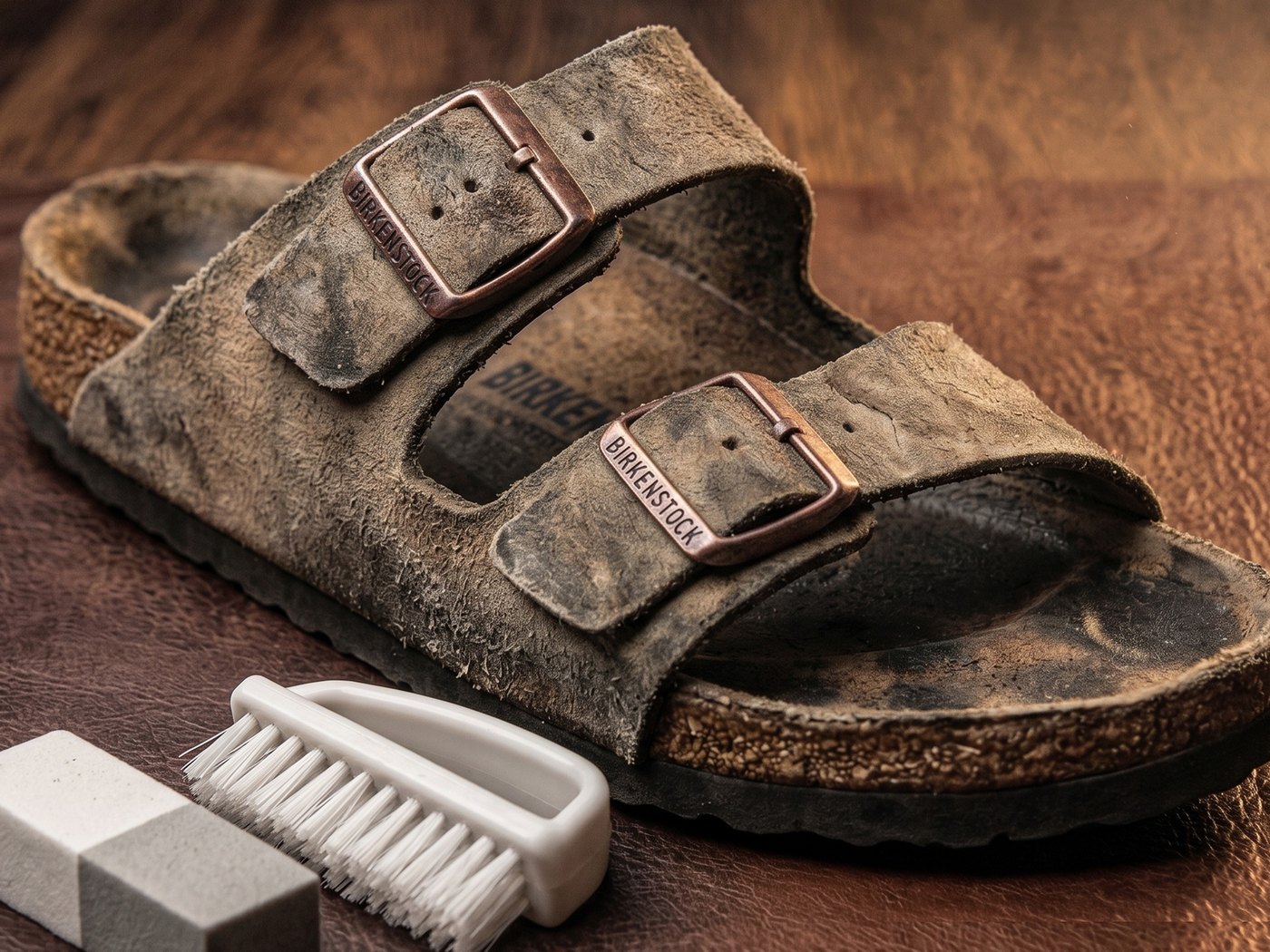
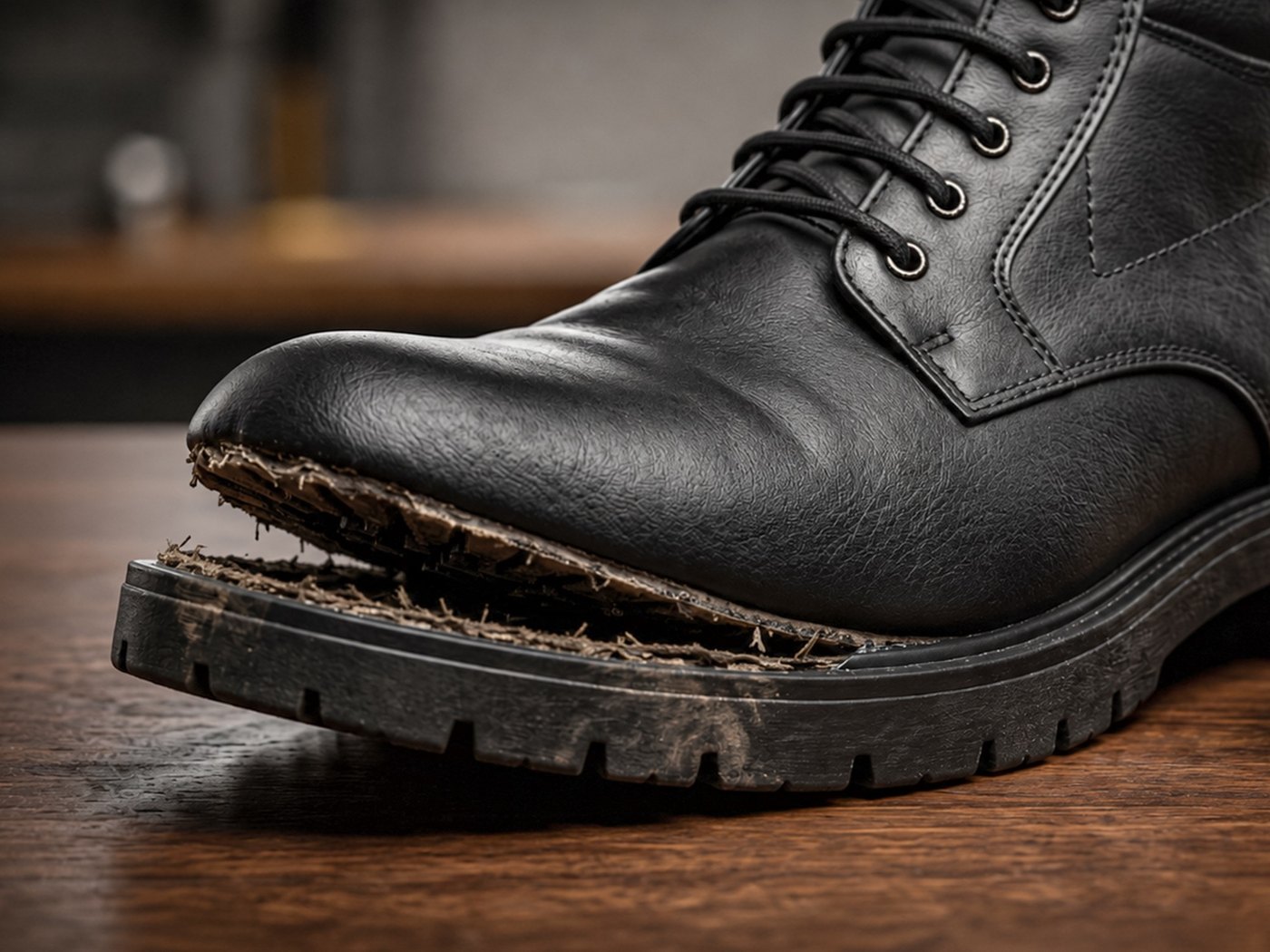
Boot sole repair: an open seam, closed again
Sole separation
- Item
- Leather
- Damage
Latest guides
All 10 guides →


The four questions we're asked most
If yours isn't here, send a photo and we'll answer it properly.
Can cracked leather be repaired at home?
It depends on what has cracked. A worn surface coating may be suitable for a compatible cosmetic repair, while splits in the leather fibres need a different assessment. Conditioner cannot rebuild torn fibres. Identify the material and the damage before buying a repair kit.
Is conditioner enough on its own?
Sometimes routine care is all an otherwise sound leather needs. Conditioner does not remove every stain, replace missing colour or repair peeling coatings. Use a compatible product only after addressing dirt, and follow the maker's instructions rather than layering treatments.
How do I know which leather I have?
Start with the care label and the manufacturer's description. Texture and absorbency provide clues, but one water test cannot identify every finish and can mark delicate leather. Skip water testing on suede or an unfamiliar valuable piece and ask for advice.
Do product links earn a commission?
Some product links may earn an affiliate commission at no extra cost to you; those links carry a disclosure. Manufacturer references are identified separately. A commission does not change the evidence behind a product claim.
Send us a photo. We'll tell you if it can be saved.
Send a clear photo of your item, the damaged area and its care label. We'll help you weigh up the next step, including when a professional repair is the better choice.